
When we think about product design, we think about ease of access, speed, and convenience for the user. This all contributes to a reduced "bio-cost" - the cognitive and physical effort a user invests in an interface (reading, clicking, waiting, remembering). Optimizing for bio-cost can be as specific as reducing the amount of space your eyeball has to travel on the screen to find the next thing you’re looking for.
This aspect of design is one way in which "Design" will always be different from "Art". Art (can/wants to) require some effort from the viewer. What is considered bad design (effortful) can actually describe a good work of art (thought-provoking).
An inherent issue when art and design collide via media and creation platforms is that optimization for ease of use comes at the cost of earned value. As tools become easier to use and consume, the media itself can lose the meaning that comes from effort, skill, and process. A recent example is Adobe’s confused approach to AI: in trying to make creation “easier,” they’ve offended creators who invested years developing their craft. The shift feels less about empowering creators and more about appealing to consumers.
This raises a question: what if media and the products we use to create it start optimizing more for how creators want to create instead of how viewers want to consume?
Friction
Friction can be: a creative choice, a signal of intention, a note for an "in-crowd," part of the meaning itself. Choosing not to optimize for ease can: create texture, slow the audience down, and invite curiosity instead of feeding demand
Zines as a Model for Intentional Friction
I got a bachelor’s degree in fine art with a focus on new media, working mostly with digital tools. At the same time, I developed a strong fondness for zines - casual, mini-magazines that prioritize rawness over editorial perfection.
While coding and soldering, I kept returning to zines as a kind of relief valve. I think it was because they were self-contained worlds: the reader had to find them, flip through pages, carry ideas from one page to the next, and sometimes dig a bit to uncover meaning.
That effort wasn’t a downside. It created intimacy. It made discovery feel earned. As a creator, it made the meaning feel more valuable.
Bridging the Gap
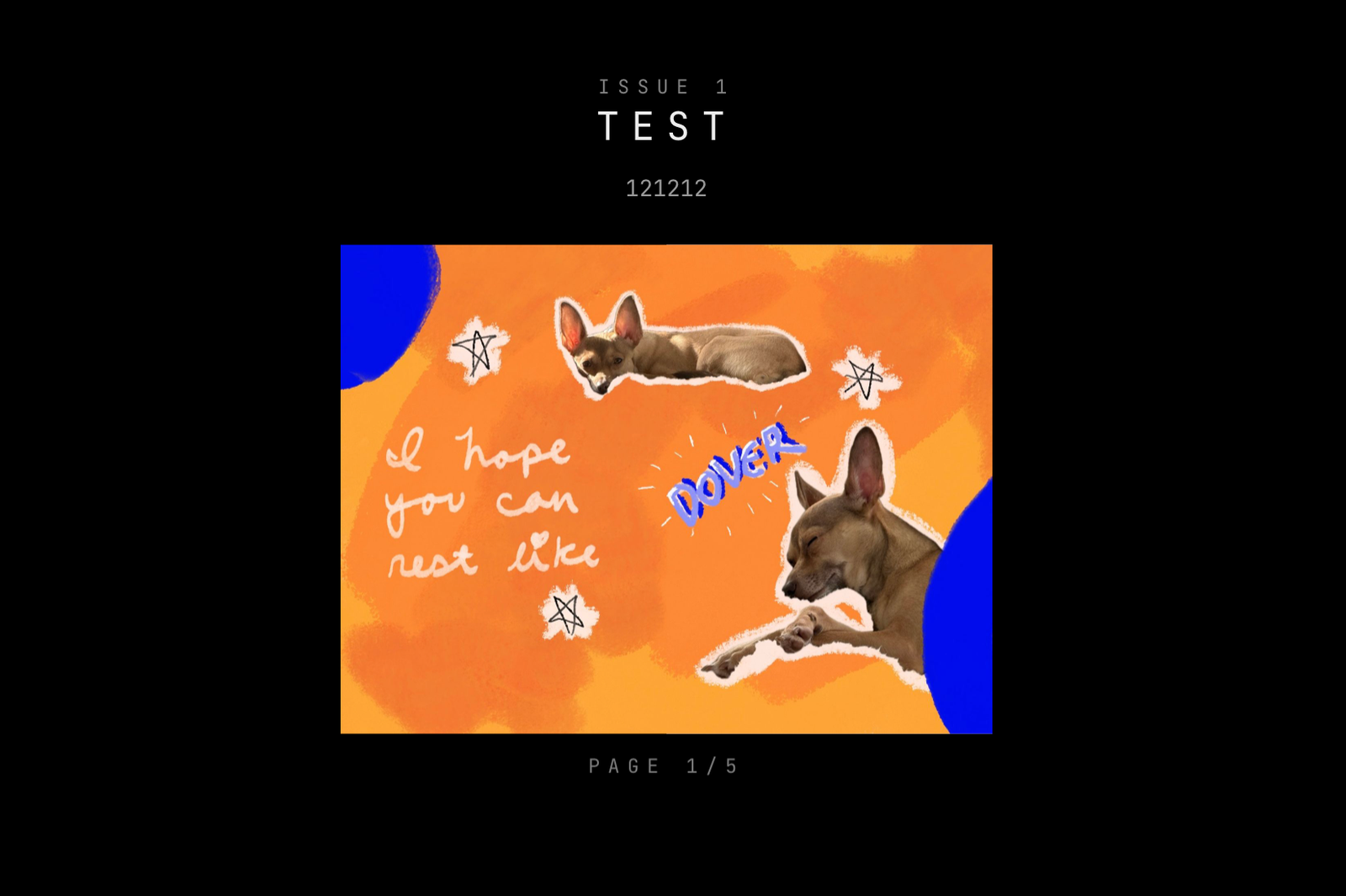
I put together a test for displaying Zines online as a way to explore some creator-first media. It's a simple demo, with a fun drag or tap to scroll from page to page, and simple animations to reference the analogue pages of a zine.
This experiment feels less like a solution and more like a question - because I’m not sure yet whether that effortful, meaning-driven feeling can fully survive once something is "posted." Trying to build toward it - introducing friction, pacing, and intention - already feels different than optimizing for reach.